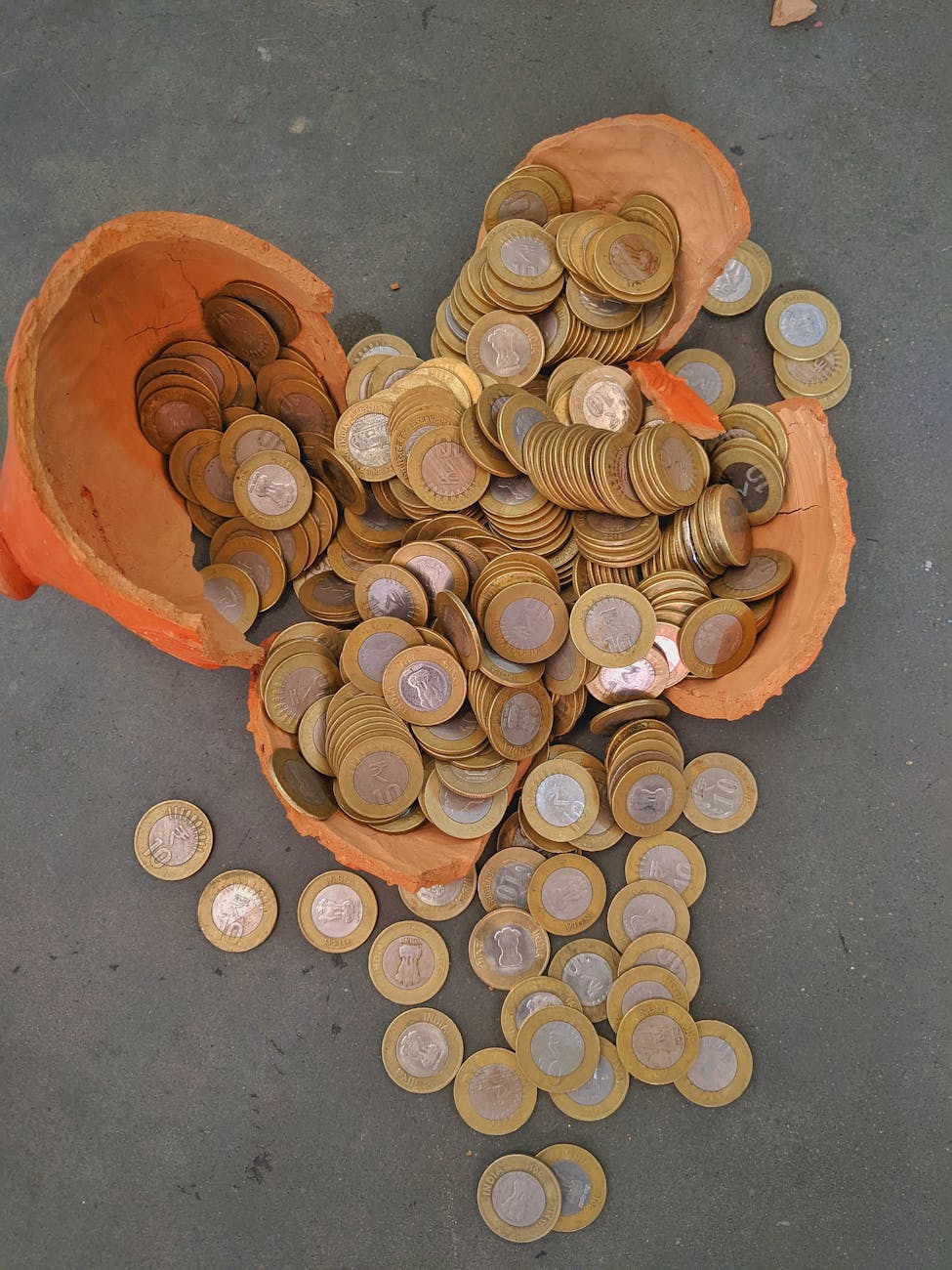
Fun Money Saving Challenges to Build Wealth Faster Now
Money Saving Challenges: Make Building Wealth Fun and Engaging
The journey to financial freedom often feels like a marathon run uphill—long, arduous, and sometimes lonely. We know we should save, invest, and curb unnecessary spending, but translating that knowledge into consistent action is where most people stumble. The traditional approach to budgeting often relies on restriction and guilt, which are terrible motivators.
What if building wealth didn’t feel like a chore? What if it felt like a game, a challenge, or a shared mission?
The secret to sustainable financial success lies not just in discipline, but in engagement. By transforming mundane saving habits into fun, competitive, or goal-oriented challenges, you can inject excitement back into your financial life, making wealth-building an enjoyable pursuit rather than a necessary evil.
This article explores practical, engaging money-saving challenges designed to boost your savings rate, foster better habits, and make the process genuinely fun.
Why Traditional Budgeting Fails (And Why Challenges Succeed)
Before diving into the challenges, it’s crucial to understand why the standard spreadsheet budget often collapses.
The Pitfalls of Restriction
Traditional budgeting often focuses solely on what you can’t have. This deprivation mindset triggers psychological resistance. When you tell yourself you must not spend money on coffee, the craving for coffee intensifies. This leads to “budget fatigue,” where you eventually give up, often overspending to compensate for the feeling of being restricted.
The Power of Gamification
Challenges succeed because they leverage the psychological principles of gamification:
- Clear Goals: Challenges provide a specific, measurable target (e.g., save $500 in 30 days).
- Immediate Feedback: You can track your progress instantly, providing a dopamine hit when you hit milestones.
- Social Connection (Optional): Doing a challenge with a partner or friend adds accountability and friendly competition.
- Novelty: They break the monotony of daily financial management.
Foundational Money Saving Challenges
These challenges are excellent starting points for beginners or those looking to reset their spending habits quickly.
1. The No-Spend Month (or Week)
This is the ultimate test of spending awareness. The goal is simple: for a set period (e.g., 7 days, 30 days), you spend money only on absolute necessities: rent/mortgage, essential groceries, utilities, and debt minimum payments. Everything else—dining out, entertainment, non-essential shopping—is paused.
How to Make it Fun:
- The “Savings Jar” Goal: Decide upfront where the money you would have spent will go. If you save $300 on dining out, immediately transfer that $300 into your vacation fund or investment account. Seeing the designated fund grow is highly motivating.
- Creative Substitutions: Turn meal planning into a culinary challenge. Can you create gourmet meals using only ingredients already in your pantry? Document your best creations on social media for bragging rights.
2. The “Found Money” Challenge
This challenge focuses on capturing small, unexpected windfalls and immediately earmarking them for savings or debt repayment.
Examples of “Found Money”:
- Rebates or cashback rewards received.
- Money found in old coats or forgotten drawers.
- A refund from a returned item.
- A small bonus or unexpected gift.
The Rule: Any money that wasn’t budgeted for must go directly into your savings goal. This builds the habit of treating unexpected income as an asset, not as permission to splurge.
3. The “One-In, One-Out” Declutter Challenge
While not strictly about cash, this challenge directly impacts future spending. For every new item you purchase (clothing, gadget, book), you must sell or donate a similar item you already own.
The Financial Win:
- It forces you to evaluate the necessity of the new purchase (Do I really need this if I have to get rid of something else?).
- The items you sell generate immediate, guilt-free income that can be added to your savings pot.
Intermediate Challenges: Targeting Specific Spending Categories
Once you master the foundational challenges, you can target specific areas where your money tends to leak the most.
4. The “Envelope System Reboot” (Digital Edition)
The traditional envelope system uses physical cash envelopes. For the digital age, you can replicate this using digital tools or separate savings accounts.
The Setup:
- Identify your top three variable spending categories (e.g., Groceries, Entertainment, Personal Care).
- Set a firm monthly limit for each category.
- Use a budgeting app (like YNAB or a simple spreadsheet) to track these categories religiously.
- The Challenge: If you overspend in one category, you must pull the difference from one of the other two categories. This forces trade-offs and immediate accountability. If you splurge on entertainment early in the month, you know you have less for groceries later.
5. The “Subscription Purge” Marathon
Most people are bleeding money slowly through forgotten recurring charges. This challenge turns auditing your subscriptions into a focused mission.
Steps:
- Gather every bank and credit card statement from the last six months.
- List every recurring charge (streaming services, apps, gym memberships, software).
- For each one, assign a value: Keep, Downgrade, or Cancel.
- The Goal: Achieve a minimum of 25% reduction in your total monthly subscription cost.
- The Fun Element: Calculate the annual savings achieved by canceling just one service. Seeing that $120 saved per year often provides the motivation to cancel three more.
6. The “Wait 72 Hours” Rule Challenge
Impulse buying is the enemy of wealth building. This challenge introduces a mandatory cooling-off period for any non-essential purchase over a set threshold (e.g., $50).
The Process:
- See an item you want to buy online or in-store.
- Put it in your cart or on a wishlist.
- Wait 72 hours (three full days).
- The Test: After 72 hours, revisit the item. If you still feel strongly that you need it, you may purchase it—but only if you transfer an equivalent amount more into your savings account. If you decide against it, the money stays saved.
Advanced Challenges for Experienced Savers
For those who have their basic budgeting down and are looking to accelerate their net worth growth, these challenges focus on optimization and high-level strategy.
7. The “Reverse Budgeting” Challenge (Pay Yourself First Extreme)
Instead of budgeting what’s left after expenses, this challenge mandates that you save or invest a fixed, high percentage of your income before you pay any bills.
The Goal: Aim for a savings rate of 30%, 40%, or even 50% of your take-home pay.
The Engagement: Use automation to make it ruthless. On payday, immediately transfer the target savings amount to investment accounts or high-yield savings vehicles. The remaining money must cover all expenses for the month. This forces creative problem-solving within a tighter constraint, often leading to significant long-term spending reductions.
8. The “No Restaurant/Takeout Month” (The Home Chef Showdown)
This is an elevated version of the No-Spend challenge, specifically targeting the high cost of eating out.
The Twist: Instead of simply avoiding restaurants, you commit to cooking every single meal at home for 30 days.
Making it Engaging:
- The “Restaurant Fund” Goal: Calculate what you typically spend on dining out in a month ($400, $600, etc.). This becomes your target savings goal for the month.
- The Weekly Theme: Assign a culinary theme each week (e.g., Italian Week, Asian Fusion Week). This keeps meal planning fresh and exciting.
- The Reward: At the end of the month, if you hit your target, use a small fraction of the saved money to splurge on a high-end meal or invest the entire amount and celebrate with a homemade, fancy picnic.
9. The “Debt Snowball/Avalanche Sprint”
If you are focused on eliminating debt, turn the repayment schedule into a timed sprint.
The Strategy:
- List all non-mortgage debts.
- Commit to paying the minimum on all debts except for your highest-priority debt (either the smallest balance for the Snowball method or the highest interest rate for the Avalanche method).
- For 90 days, aggressively funnel every spare dollar (from challenges, side hustles, or reduced spending) toward that single debt.
- The Thrill: Watching that one balance drop rapidly provides immense momentum. Once it’s paid off, roll that minimum payment amount onto the next debt, accelerating the entire process.
Sustaining the Momentum: From Challenge to Habit
The goal of any money-saving challenge isn’t just to save money once; it’s to rewire your financial behavior permanently.
Once a challenge is complete, don’t just revert to old habits. Perform a “Challenge Review”:
- What worked best? (e.g., I loved the 72-hour rule; I hated cooking every meal.)
- What savings can be made permanent? (e.g., Keep the subscription cancellations, but allow one restaurant meal per week.)
- What is the next small challenge?
By continually introducing small, manageable, and engaging challenges, you keep your financial journey dynamic, ensuring that building wealth remains an active, rewarding pursuit rather than a passive, dreaded obligation.
Conclusion
Building wealth is a long-term game, but it doesn’t have to be boring. By reframing saving and spending control as a series of fun, measurable challenges, you transform restriction into strategic play. Whether you’re tackling a No-Spend Week or sprinting through your debt repayment, injecting gamification into your finances ensures consistency, boosts motivation, and ultimately accelerates your journey toward true financial freedom. Start small, track your wins, and remember: the most powerful financial tool you have is your own engagement.