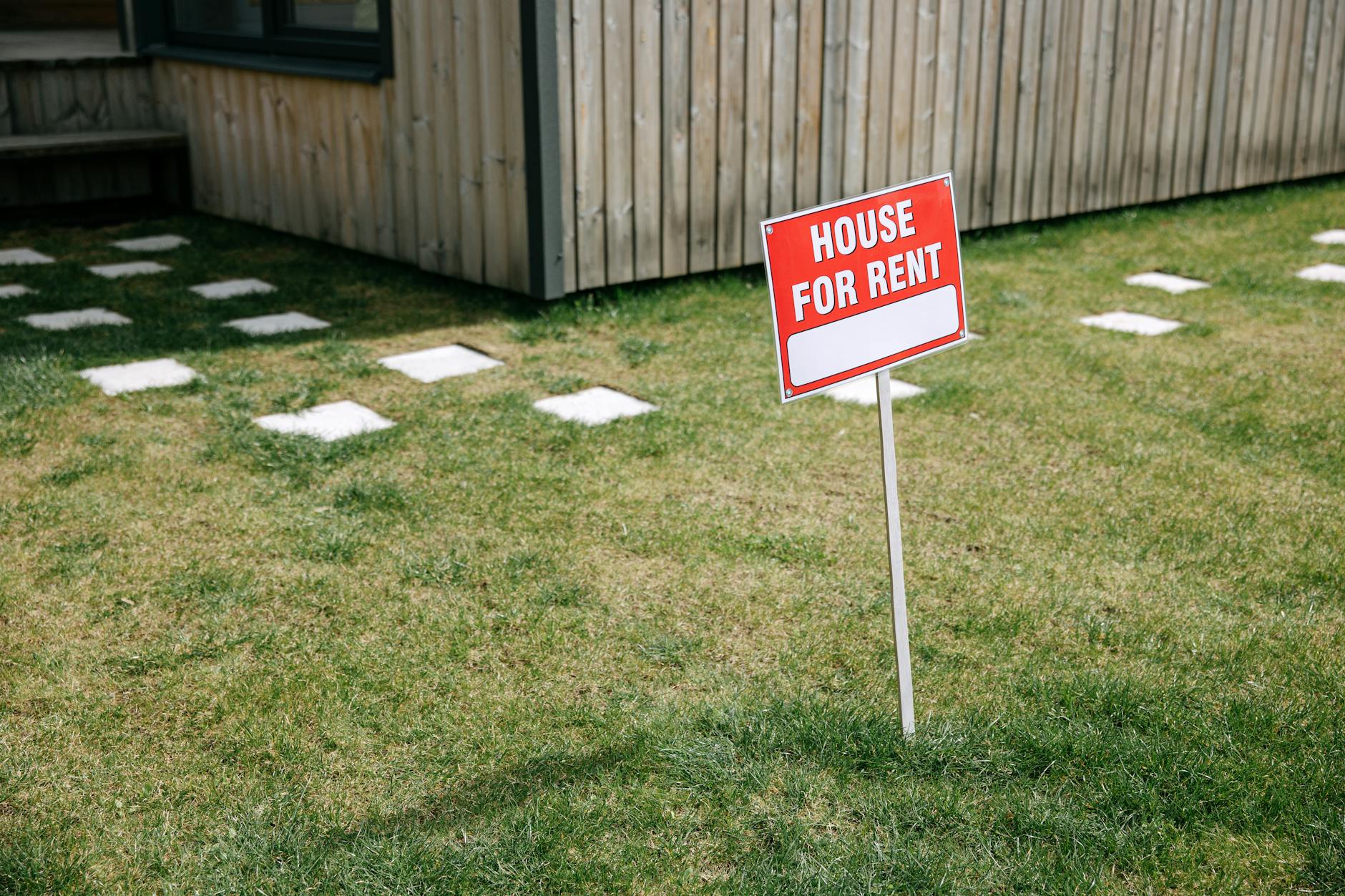
Buy Your First Rental Property: Real Estate Investing Basics
Real Estate Investing Basics: Buy Your First Rental Property Successfully
The allure of real estate investing is undeniable. Passive income, long-term wealth building, tax advantages, and the tangible nature of the asset make it a cornerstone of many successful financial portfolios. However, the leap from dreaming about owning rental property to successfully closing on your first one can feel daunting.
This guide breaks down the essential steps, strategies, and pitfalls to avoid, ensuring your first foray into real estate investment is built on a solid foundation of knowledge.
Why Real Estate Investing? Understanding the Core Benefits
Before diving into the mechanics, it’s crucial to understand why real estate is such a powerful wealth-building tool. Unlike stocks or bonds, real estate offers multiple avenues for profit simultaneously:
1. Cash Flow (Rental Income)
This is the most immediate benefit. After collecting rent and paying all operating expenses (mortgage, taxes, insurance, maintenance), the remaining profit is your monthly cash flow. This provides immediate, tangible returns.
2. Appreciation
Over the long term, property values generally increase due to inflation, local economic growth, and scarcity. While appreciation is never guaranteed, it’s a powerful driver of long-term equity growth.
3. Loan Paydown (Amortization)
Every mortgage payment includes principal reduction. This means your tenant’s rent is effectively paying down your debt, increasing your equity month after month—a form of forced savings.
4. Tax Advantages
The U.S. tax code offers significant benefits to real estate investors, most notably depreciation. Depreciation allows investors to deduct a portion of the property’s value (excluding land) each year as a non-cash expense, often sheltering rental income from immediate taxation.
Phase 1: Preparation and Financial Readiness
Your first successful rental property purchase hinges on thorough preparation. Don’t start looking at listings until these foundational elements are firmly in place.
Setting Realistic Financial Goals
What is your primary objective for this first property?
- Cash Flow Focus: Are you looking for immediate monthly income to supplement your salary? This usually means targeting markets with high rent-to-price ratios.
- Appreciation Focus: Are you willing to break even or take a small loss monthly for the potential of significant value increase in 5–10 years? This often means investing in high-growth metropolitan areas.
- The BRRRR Method: Are you planning to Buy, Rehab, Rent, Refinance, and Repeat? This strategy requires upfront capital for the initial purchase and renovation.
Mastering Your Personal Finances
Lenders scrutinize your personal financial health before approving an investment loan.
- Credit Score Optimization: Aim for a score of 740 or higher. This significantly impacts your interest rate, which directly affects your monthly cash flow.
- Debt-to-Income (DTI) Ratio: Lenders calculate this to ensure you can handle the new mortgage payment. Pay down high-interest personal debt (credit cards, car loans) before applying.
- Saving for Down Payment and Reserves: Investment properties typically require a larger down payment than primary residences (often 20% to 25%). Crucially, you must also have reserves. Lenders often require proof of 6 months of mortgage payments set aside in liquid savings to cover vacancies or unexpected major repairs (like a new roof or HVAC system).
Understanding Financing for Investment Properties
Investment property loans are different from owner-occupied loans.
- Higher Down Payments: As noted, expect 20% down minimum for conventional loans.
- Higher Interest Rates: Rates are usually 0.5% to 1% higher than primary residence mortgages due to perceived risk.
- Stricter Underwriting: Lenders will verify the projected rental income (often requiring an appraisal called a rent schedule) to ensure the property can support the debt.
Phase 2: Market and Property Selection
Location, location, location—it remains the golden rule, but for investors, it means something specific: finding a market that supports high demand for rentals.
Choosing Your Investment Market
Do you invest locally or out-of-state?
| Local Investing | Out-of-State Investing |
|---|---|
| Easier to manage maintenance and view properties in person. | Access to higher cash flow markets where local prices are too high. |
| Familiarity with local laws and neighborhood dynamics. | Requires hiring a reliable, trustworthy property manager. |
| Often higher purchase prices, potentially lower cash flow. | Higher risk if you don’t thoroughly vet the local property management team. |
Key Market Indicators to Analyze:
- Job Growth: Consistent job creation drives population influx and rental demand.
- Vacancy Rates: Low vacancy rates (under 5%) indicate strong tenant demand.
- Landlord-Tenant Laws: Research local regulations. Some states are highly tenant-friendly, making evictions complex and costly.
- Rent Multiplier: A quick metric: Divide the median home price by the median annual rent. A lower number (e.g., 10–15) suggests a better cash flow market.
Identifying the Right Property Type
For a beginner, simplicity is key.
- Single-Family Homes (SFH): Easiest to finance, appeal to long-term tenants (families), and often appreciate well. However, if the tenant leaves, you have 100% vacancy loss.
- Small Multifamily (2–4 Units): Often the sweet spot for beginners. You can live in one unit (owner-occupant financing is often cheaper) while the other units pay the mortgage. If one unit is vacant, you still have income from the others.
- Condos/Townhomes: Generally lower maintenance as HOA fees cover exterior upkeep, but HOA rules can restrict rental policies, and fees cut into cash flow.
The Power of Due Diligence and Analysis
Never rely on the seller’s numbers. You must run your own analysis using conservative estimates.
The 50% Rule (A Quick Filter):
A common rule of thumb suggests that operating expenses (excluding the mortgage payment) will consume about 50% of the gross rental income. If a property rents for $2,000/month, budget $1,000 for taxes, insurance, maintenance, vacancy, and management.
The Essential Cash Flow Calculation:
$$text{Net Operating Income (NOI)} = text{Gross Scheduled Income} – text{Operating Expenses}$$
$$text{Cash Flow} = text{NOI} – text{Annual Debt Service (Mortgage Payments)}$$
Crucial Line Items to Budget For:
- Property Taxes and Insurance (PITI)
- Property Management Fees (Typically 8%–12% of gross rent)
- Vacancy Allowance (Budget 5%–10% of gross rent, even if the property is currently occupied)
- Capital Expenditures (CapEx) Reserve (Budget $200–$300 per unit per month for future big-ticket replacements)
Phase 3: Execution and Closing
Once you have identified a promising property that meets your financial criteria, the focus shifts to securing the deal and managing the transition.
Assembling Your Investment Team
You cannot do this alone. A strong team mitigates risk.
- Investor-Savvy Real Estate Agent: Find an agent who owns investment properties themselves or specializes in investor transactions, not just primary residences.
- Mortgage Broker: One who understands investment loan products and can shop rates across multiple lenders.
- Real Estate Attorney/Title Company: Essential for reviewing contracts and ensuring a clean title transfer.
- Property Inspector: Hire an inspector experienced in evaluating rental-grade properties, focusing on major systems (plumbing, electrical, foundation).
Making the Offer and Negotiation
Your offer should be contingent upon a satisfactory inspection and appraisal.
Negotiation Leverage: Use the inspection report to negotiate repairs or a price reduction. If the inspection reveals a failing roof, you have significant leverage to ask for a $10,000 credit or repair before closing.
The Closing Process
During the final stages, you will:
- Secure Final Loan Commitment: The lender will order the appraisal and title search.
- Final Walkthrough: Conduct this 24 hours before closing to ensure the property is in the agreed-upon condition and that any negotiated repairs have been completed.
- Closing: Sign the final documents. You will bring the down payment funds and closing costs (often 2%–5% of the purchase price). Once the funds are wired, the keys are yours.
Phase 4: Post-Acquisition Management
Congratulations, you own a rental property! The work now shifts to management.
Tenant Placement Strategy
The quality of your first tenant sets the tone for years to come.
- Screen Thoroughly: Run credit checks, criminal background checks, and verify employment and previous landlord references. Do not skip reference checks.
- Fair Housing Compliance: Understand and adhere strictly to Fair Housing laws to avoid discrimination claims.
- Lease Agreement: Use a legally sound, comprehensive lease drafted or reviewed by a local attorney.
Self-Management vs. Property Management
For your first property, you must decide how involved you want to be.
- Self-Management: Maximizes cash flow by saving management fees, but demands significant time for rent collection, maintenance calls (often 24/7), and legal compliance. Best suited for local investors with flexible schedules.
- Hiring a Manager: Costs 8%–12% of gross rent plus leasing fees, but handles all day-to-day operations. Essential for out-of-state investors or those prioritizing passive income.
Conclusion: Taking the First Step
Buying your first rental property is a significant financial milestone. Success is not about finding a “perfect” deal; it’s about rigorous preparation, conservative analysis, and building a reliable team. By understanding the core benefits, securing your personal finances first, diligently analyzing the market metrics, and executing a thorough due diligence process, you move from being an aspiring investor to a successful property owner, paving the way for long-term financial freedom.