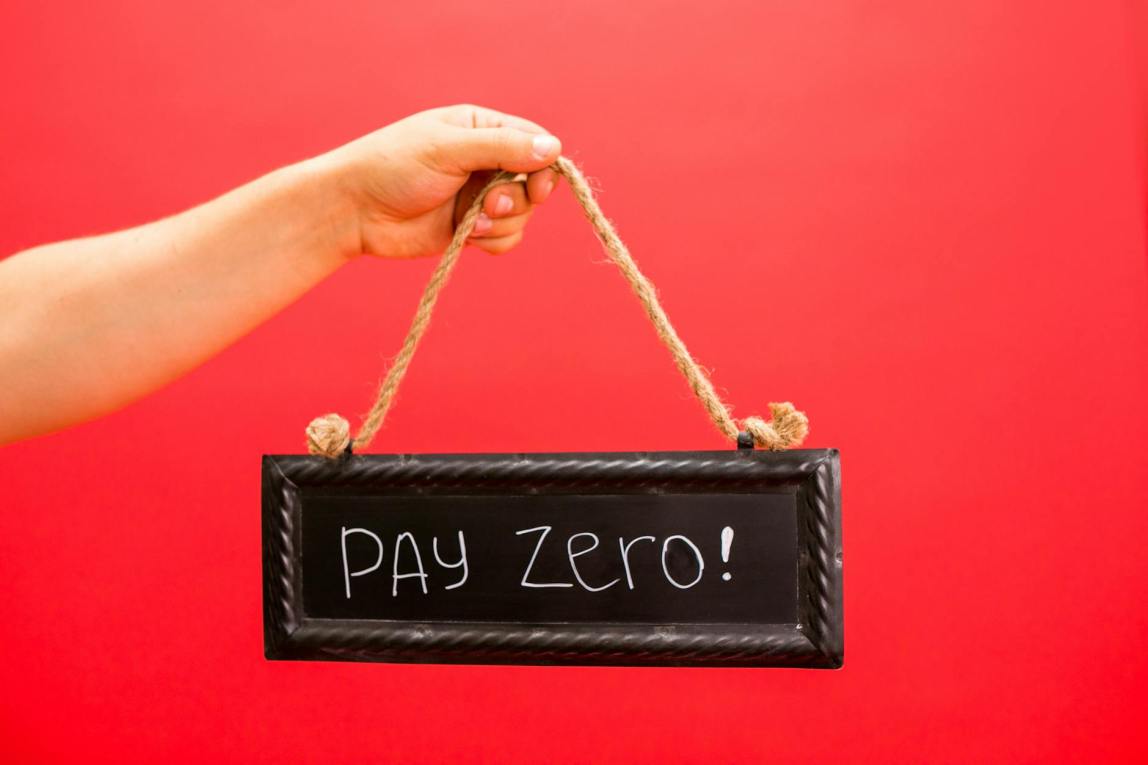
Debt-Free Living: Achieve Financial Freedom Without Monthly Payments
Debt-Free Living: Life Without Monthly Payments and Financial Stress
The modern world often equates success with consumption, leading many of us down a path paved with credit card debt, student loans, and hefty monthly mortgage payments. This constant cycle of owing money creates a pervasive, low-grade stress that infiltrates every aspect of life—from career choices to personal relationships. But imagine a different reality: a life where your income is truly yours, where financial decisions are driven by opportunity rather than obligation, and where the weight of debt has lifted entirely.
This is the promise of debt-free living. It’s not just about having zeros in your bank account; it’s a profound shift in mindset, a commitment to financial sovereignty, and the gateway to true peace of mind.
Understanding the Chains: The True Cost of Debt
Before we can celebrate freedom, we must understand the nature of the chains we seek to break. Debt, particularly high-interest consumer debt, is one of the most significant barriers to building wealth and achieving personal freedom.
The Interest Trap
The most insidious aspect of debt is interest. When you carry a balance on a credit card or a high-interest personal loan, a significant portion of your monthly payment doesn’t reduce the principal; it simply pays the bank for the privilege of borrowing their money.
Example: If you carry a $10,000 credit card balance at 22% APR, you are effectively paying $183 per month just in interest if your payment only covers the minimum required. That’s $2,196 per year disappearing before you even touch the original amount owed. This money could have been invested, saved for a vacation, or used to accelerate your journey to freedom.
The Psychological Burden
Beyond the numbers, debt exacts a heavy psychological toll:
- Stress and Anxiety: Worrying about making the next payment can lead to sleepless nights and strained relationships.
- Limited Choices: Debt restricts your ability to take career risks, start a business, or leave a toxic job because you need the steady paycheck to cover obligations.
- Delayed Goals: Retirement savings, college funds, and down payments on future homes are constantly pushed back because cash flow is dedicated to servicing past spending.
Debt-free living flips this script, replacing obligation with opportunity.
The Roadmap to Financial Freedom: A Three-Phase Approach
Achieving a debt-free lifestyle requires discipline, planning, and unwavering commitment. It is rarely a sprint; more often, it is a marathon broken down into manageable phases.
Phase 1: Assessment and Attack Preparation
The first step is gaining absolute clarity on your current financial landscape. You cannot defeat an enemy you cannot see.
1. The Full Debt Inventory
Create a comprehensive list of every single debt you owe. This list must include:
- Creditor Name: (e.g., Visa, Student Loan Servicer)
- Current Balance: The exact amount owed today.
- Interest Rate (APR): The percentage charged annually.
- Minimum Monthly Payment: The smallest amount you must pay.
2. Creating a “Debt Snowball” or “Debt Avalanche” Plan
Once you have your inventory, you must choose an aggressive repayment strategy. The two most popular methods are:
- The Debt Snowball Method (Behavioral Focus): You list debts from smallest balance to largest, regardless of interest rate. You pay the minimum on all debts except the smallest one, which you attack with every extra dollar you can find. Once the smallest is paid off, you take that payment amount and add it to the payment for the next smallest debt. This method builds momentum quickly through small wins.
- The Debt Avalanche Method (Mathematical Focus): You list debts from highest interest rate to lowest. You attack the highest-rate debt first. This method saves the most money in interest over the long run.
3. Maximizing Cash Flow
To pay off debt quickly, you must generate a significant surplus. This involves two levers: cutting expenses and increasing income.
- Expense Reduction: Aggressively cut non-essential spending. Temporarily eliminate dining out, pause expensive subscriptions, and scrutinize utility bills. Every dollar saved is a dollar attacking debt.
- Income Augmentation: Look for ways to bring in extra cash—side hustles, selling unused items, or picking up overtime shifts. Dedicate 100% of this extra income to your target debt.
Phase 2: The Execution Phase (The Grind)
This is where discipline is tested. During this phase, your focus must be singular: eliminating debt, one account at a time.
Maintaining Momentum
The middle part of the debt payoff journey is often the hardest, as the initial excitement fades and the finish line still seems distant.
- Visualize Progress: Use a chart or a visual tracker (like coloring in a thermometer) to see how your debt balance shrinks. Celebrate the payoff of each debt milestone.
- Stay the Course: Resist lifestyle inflation. As you pay off one debt, do not immediately upgrade your car or increase your spending. Roll that entire payment amount immediately onto the next target debt.
- Handle New Debt Like Poison: During this phase, credit cards should be locked away or cut up. If an emergency arises, use savings (if you have a small starter emergency fund) or cash, but do not incur new debt.
Phase 3: Maintaining the Freedom
Once the final payment is made, the celebration is warranted! However, the journey isn’t over; now you must build systems to ensure you never return to the cycle of obligation.
Building the Fortress: The Emergency Fund
The primary reason people fall back into debt is an unexpected emergency (car repair, medical bill) that they have no cash reserves to cover.
- Goal 1 (Starter Fund): Immediately save $1,000 to $2,000 in a separate, easily accessible savings account. This covers minor surprises.
- Goal 2 (Full Fund): Once all debt is gone, aggressively build this fund to cover 3 to 6 months of living expenses. This fund is your new safety net, replacing the need for credit cards.
Shifting Focus: Investing and Wealth Building
With no debt payments draining your income, your disposable cash flow explodes. This money must be immediately redirected toward building wealth.
- Retirement Accounts: Maximize contributions to tax-advantaged accounts like 401(k)s and IRAs.
- Future Goals: Start saving for large, planned purchases (like a house down payment or college tuition) in sinking funds, paying cash for them when the time comes.
The Rewards: What Life Without Monthly Payments Truly Looks Like
The benefits of debt-free living extend far beyond a healthier net worth statement. They fundamentally change your quality of life.
True Flexibility and Opportunity
When you have no mandatory payments, your time and career become yours again.
- Career Independence: You can afford to take a lower-paying job that offers better work-life balance, pursue further education, or even take a sabbatical to travel or volunteer.
- Negotiating Power: If you dislike your job, you can walk away without panic because your survival isn’t tied to that specific paycheck.
Reduced Stress and Improved Health
Financial stress is a leading cause of relationship strain and poor physical health. Eliminating the monthly pressure cooker has profound positive effects:
- Better Sleep: No more worrying about overdrafts or due dates.
- Stronger Relationships: Financial disagreements are minimized when both partners are aligned on a debt-free path, or when there are no debts causing conflict.
Accelerated Goal Achievement
Imagine redirecting $1,500 per month—the average cost of a car payment, student loan, and credit card minimums combined—toward investments.
- Compounding Works Faster: With that $1,500 monthly investment earning an average 8% return, you could accumulate over $100,000 in just five years, without increasing your current income level. Debt payoff is the fastest way to free up capital for wealth creation.
Conclusion: Choosing Sovereignty Over Consumption
Debt-free living is not about deprivation; it is about intentionality. It is the conscious choice to value future peace over immediate gratification. By systematically dismantling your obligations—assessing your debts, attacking them aggressively, and then building a robust financial fortress—you exchange the stress of monthly payments for the power of choice. The journey requires sacrifice today, but the reward is a lifetime of financial sovereignty, where your money works for your dreams, not for your creditors.