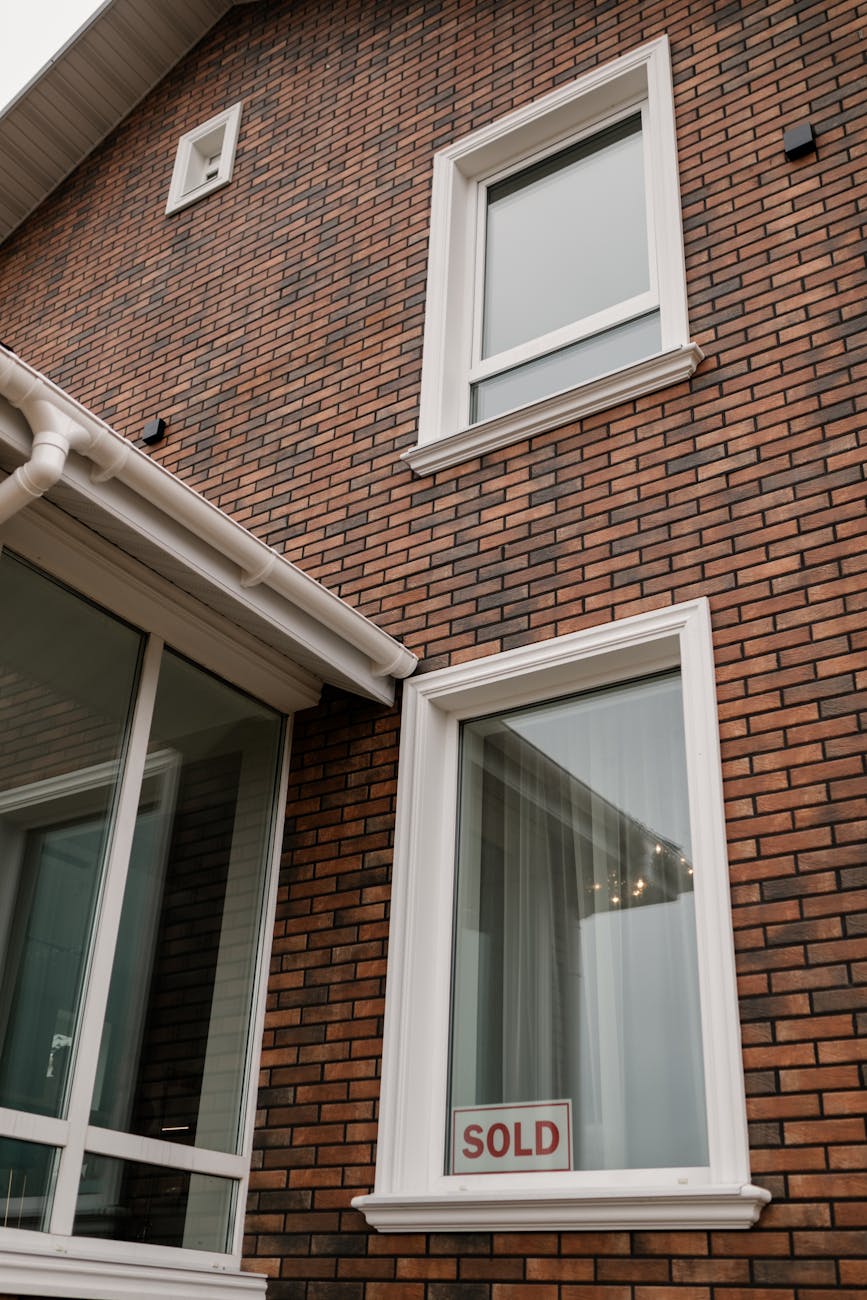
Maximize ROI: Investment Property Renovation Tips for Higher Rental Income
Investment Property Renovation: Add Value and Increase Rental Income
Owning investment property offers a powerful pathway to building long-term wealth. However, simply holding a property is rarely enough to maximize returns. The real magic often happens during strategic renovation. A well-executed upgrade can significantly boost your property’s market value, attract higher-quality tenants, and, most importantly, increase your monthly rental income.
This guide explores the most impactful renovation strategies for property investors, focusing on improvements that offer the highest return on investment (ROI) rather than purely cosmetic, expensive overhauls.
Understanding the Investor Mindset: ROI Over Perfection
Before picking up a hammer or hiring a contractor, it is crucial to shift your perspective from that of a homeowner to that of an investor. Homeowners often renovate for personal taste; investors renovate for profit.
The goal of an investment property renovation is twofold:
- Increase Net Operating Income (NOI): By justifying higher rents.
- Increase Asset Value: By making the property more desirable to future buyers (if you plan to sell).
This means prioritizing functional, durable, and universally appealing upgrades over niche, high-cost customizations.
The 80/20 Rule of Renovation
Focus 80% of your budget on the 20% of upgrades that provide the greatest impact on tenant appeal and functionality. For most rental properties, this means focusing on kitchens, bathrooms, curb appeal, and essential systems.
High-Impact, High-ROI Renovations
Certain areas of a rental property consistently deliver the best return because they are the first things tenants notice and the areas they use most frequently.
1. Kitchen Upgrades: The Heart of the Rental Home
The kitchen is often the single most important factor in a tenant’s decision-making process. You don’t need a full tear-out to see significant returns.
Strategic Kitchen Tweaks:
- Cabinet Refacing or Painting: Instead of replacing expensive cabinetry, professionally paint existing cabinets a modern, neutral color (white, light gray, or deep navy). This offers a massive visual upgrade for a fraction of the cost.
- Countertop Refresh: If the current countertops are laminate or severely damaged, consider installing mid-range quartz or granite. Avoid overly exotic or dark stones that can feel dated quickly.
- Appliance Modernization: Replace mismatched or aging appliances with a matching suite of stainless steel or modern black appliances. Tenants are often willing to pay $50–$150 more per month for a modern appliance package.
- Lighting: Install modern, energy-efficient LED lighting, including under-cabinet strips. Good lighting dramatically improves the perceived quality of the space.
2. Bathroom Updates: Cleanliness and Durability
Bathrooms must feel clean, bright, and functional. Tenants often equate a dated bathroom with poor overall maintenance.
- Grout and Caulking: This is often the cheapest fix with the highest visual impact. Regrouting or recaulking a shower surround makes the entire bathroom look brand new.
- Vanity and Fixtures: Replace an old, bulky vanity with a modern floating or pedestal sink. Swap out old chrome fixtures for brushed nickel or matte black.
- Flooring: If the flooring is cracked tile or peeling vinyl, replace it with large-format porcelain tile. Tile is durable, easy to clean, and signals quality to tenants.
3. Curb Appeal: The First Impression
A property’s exterior sets the initial tone. If the curb appeal is poor, prospective tenants may drive by without even scheduling a viewing.
- Landscaping Triage: Remove dead shrubs, trim overgrown trees, and lay fresh mulch. A few colorful, low-maintenance annuals near the entrance go a long way.
- Front Door Focus: Paint the front door a bold, welcoming color. Ensure the house numbers are modern and easy to read.
- Exterior Lighting: Install attractive, durable exterior light fixtures that illuminate the entrance path.
4. Flooring: Durability and Aesthetics
Flooring is a major expense, but it’s critical for tenant turnover and maintenance.
- Avoid Carpet in High-Traffic Areas: In rentals, carpet is a liability. Replace it with durable, attractive luxury vinyl plank (LVP) flooring throughout the main living areas and bedrooms. LVP is waterproof, scratch-resistant, and mimics the look of hardwood far better than older laminate options.
- Consistency: Using the same flooring material throughout the main level creates a seamless, larger-feeling space.
Essential Systems: The Unseen Value Boost
While tenants don’t see the furnace, they certainly see the results of a failing system—high utility bills or lack of heat. Investing in essential systems prevents costly emergency repairs later and allows you to justify higher rents based on efficiency.
Energy Efficiency and HVAC
Modern tenants prioritize lower utility bills. Highlighting energy efficiency is a powerful marketing tool.
- Window Upgrades: If current windows are single-pane or failing, upgrading to Energy Star-rated double-pane windows offers long-term savings and comfort.
- HVAC Maintenance/Replacement: Ensure the HVAC system is serviced before listing. If the unit is over 15 years old, budgeting for replacement might be necessary, as new, high-efficiency units can significantly reduce operating costs and attract environmentally conscious renters.
- Water Heater: Install a modern, high-efficiency water heater, or consider a tankless option if local codes and budget allow.
Smart Home Integration (Selectively)
Modern amenities attract modern tenants, especially in urban or competitive markets.
- Smart Thermostats (e.g., Nest, Ecobee): These allow tenants to manage energy use while giving you remote monitoring capabilities. They are relatively inexpensive to install and are a major selling point.
- Keyless Entry: Smart locks offer convenience for tenants and security/remote access for you during turnovers.
Maximizing Rental Income Through Layout and Functionality
Sometimes, the best renovation involves changing how the space works rather than just how it looks.
The Open Concept Appeal
In many older properties, compartmentalized rooms feel small and dark. If structurally feasible, opening up the kitchen to the dining or living area is a renovation that almost always increases perceived value.
Example: Removing a non-load-bearing wall between a small, dark dining room and the kitchen can transform the entire living space, making it feel larger and more appealing to modern lifestyles.
Adding Functional Space
If your property has an underutilized basement, attic, or garage, converting it into usable square footage can dramatically increase rent potential.
- Finished Basement: Adding a legal egress window and finishing a basement with durable materials (like LVP and moisture-resistant drywall) can often add a bedroom or a second living area, potentially increasing the rent by 20–30% depending on the market.
- Laundry Closet: If laundry facilities are currently in the basement or garage, creating a dedicated main-floor laundry closet is a highly requested amenity that justifies a rent premium.
Budgeting and Phasing Your Renovation
A common mistake is overspending on a single renovation that yields diminishing returns. A phased approach is often smarter for investors.
Phase 1: Essential Repairs and Safety (The Must-Dos)
This phase addresses deferred maintenance and safety issues. These items do not necessarily increase rent but prevent catastrophic failure and tenant complaints.
- Roof repairs or replacement.
- Electrical panel updates.
- Plumbing leaks and pipe replacement.
- Pest/termite remediation.
Phase 2: High-ROI Cosmetic Upgrades (The Rent Boosters)
This is where you focus on the kitchen, bathrooms, paint, and flooring—the areas that directly impact the rent you can charge.
Phase 3: Long-Term Value Additions (The Market Differentiators)
These are the larger, more expensive items that set your property apart, such as new HVAC systems, window replacements, or structural changes like adding a deck or finishing a basement.
Pro Tip on Materials: Always choose mid-grade, durable materials over builder-grade cheap options or high-end luxury items. Tenants care more about consistency and durability than marble backsplashes.
Conclusion: Renovate with Intention
Investment property renovation is not just about fixing what’s broken; it’s about strategic enhancement designed to maximize cash flow and asset appreciation. By focusing your budget on high-impact areas—kitchens, bathrooms, curb appeal, and essential systems—you create a property that attracts reliable, long-term tenants willing to pay a premium for modern comfort and functionality. Always calculate the expected increase in rent against the renovation cost to ensure every dollar spent contributes directly to a healthier bottom line.